
Buying Guides
Flatware vs Dinnerware: Professional Comparison for Your Table
Published 2026-06-23
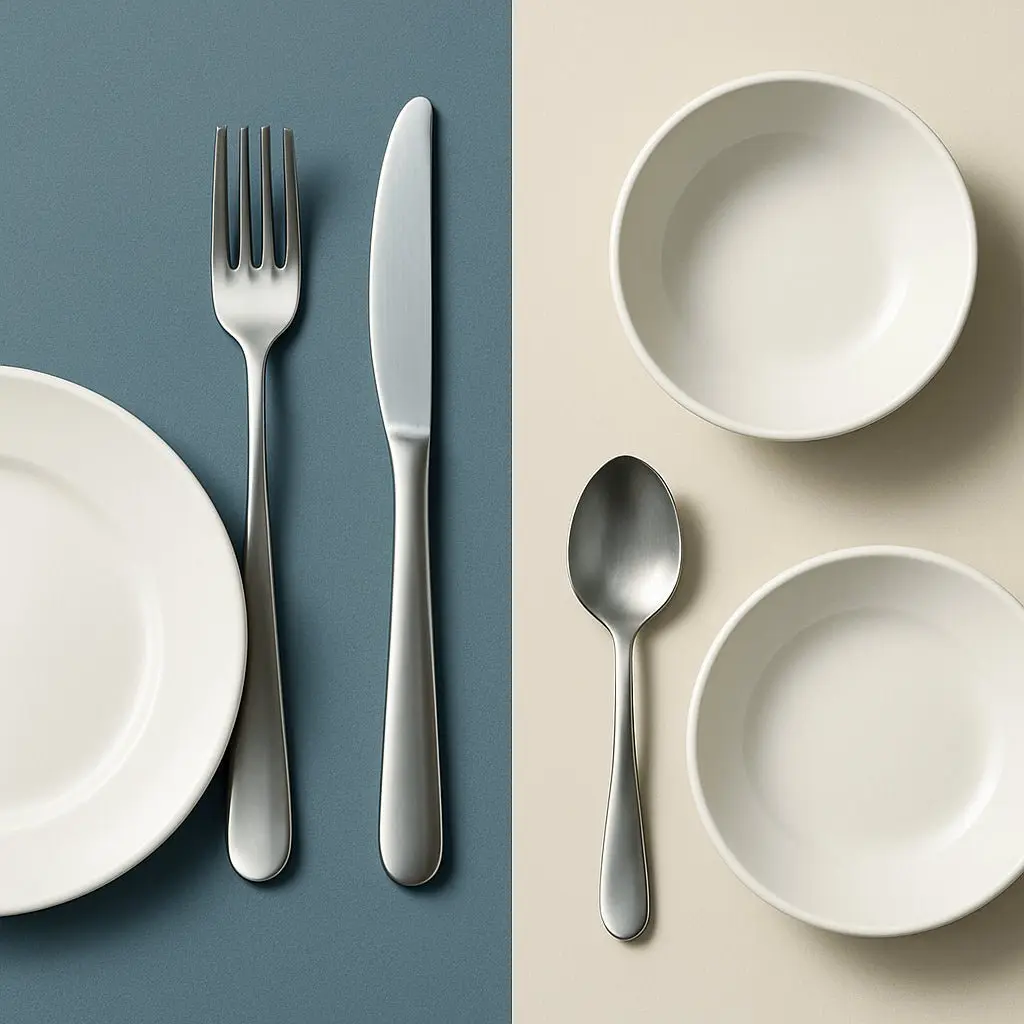
Flatware vs. Dinnerware: A Comprehensive Comparison for Discerning Homes
When it comes to elevating the dining experience in your home, two of the most essential components are Flatware and Dinnerware. These are more than just functional tools; they are statements of style, personality, and hospitality. Whether you are setting the table for an intimate family meal or hosting a grand dinner party, understanding the differences, characteristics, and considerations of both Flatware and Dinnerware is critical. In this detailed comparison, we will explore both categories, examine their roles, and provide expert insights so you can make informed decisions for your next purchase.
Understanding the Basics: Definitions and Purposes
What is Flatware?
Flatware typically refers to the utensils used for consuming food—items such as forks, knives, spoons, and sometimes specialty pieces like serving utensils, butter knives, and dessert forks. While the term may be used interchangeably with "cutlery" in some regions, in the context of table settings and home decor, Flatware encompasses all the tools necessary for serving and eating meals efficiently and elegantly.
What is Dinnerware?
On the other hand, Dinnerware is comprised of the dishes used to serve food, including plates, bowls, cups, and platters. Dinnerware sets often feature a cohesive design or style, unifying the look of your dining table. Materials, patterns, colors, and the overall aesthetic of Dinnerware play a significant role in setting the tone, whether it's casual everyday dining or special celebratory occasions.
Key Differences Between Flatware and Dinnerware
Although both Flatware and Dinnerware are integral to the dining experience, they serve distinct purposes. Understanding these differences is crucial when choosing pieces to match your lifestyle and design preferences.
- Functionality: Flatware is designed specifically for manipulating and consuming food, while Dinnerware is meant for holding and presenting food.
- Materials: Flatware is most commonly made from metals such as stainless steel, silver, or gold-plated alloys. Dinnerware is available in a variety of materials like porcelain, stoneware, earthenware, bone china, and sometimes glass or melamine.
- Design Impact: Both Flatware and Dinnerware play distinct roles in shaping the visual appeal of your table. Flatware contributes through subtle curves, finishes, and weight, while Dinnerware introduces patterns, colors, and shapes.
- Maintenance: The cleaning and upkeep requirements may differ based on materials and frequency of use.
Flatware: Characteristics, Types, and Considerations
Popular Flatware Materials
The material of your Flatware affects everything from durability and luster to weight and price. Here are the most common choices:
- Stainless Steel: By far the most popular, stainless steel Flatware is valued for its corrosion resistance, affordability, and ease of maintenance. Premium grades like 18/10 (which means 18% chromium and 10% nickel) offer enhanced luster and strength.
- Silver-Plated: For those seeking a more traditional, elegant finish, silver-plated Flatware provides a beautiful gleam. However, it requires regular polishing and care to prevent tarnishing.
- Sterling Silver: Pure sterling silver Flatware is a timeless heirloom choice. It is heavier, more costly, and demands attentive upkeep, but it commands unparalleled elegance on formal tables.
- Gold-Plated or Blackened: Modern trends see Flatware with alternative finishes—gold, matte black, or even rose gold. While visually striking, these often require gentle handling to preserve their coating.
Types of Flatware Pieces
A comprehensive Flatware set includes far more than a standard knife, fork, and spoon. Luxury or specialty sets may also offer:
- Salad forks
- Dessert spoons
- Soup spoons
- Butter knives
- Fish forks and fish knives
- Steak knives
- Serving pieces (ladles, cake servers, etc.)
Choosing the right pieces ensures your table is ready for every course and every occasion.
Design and Ergonomics
Comfort and style are equally important. When comparing Flatware, consider the tactile experience—the weight in your hand, the balance, the feel of the handle, and the smoothness of finishes. Contemporary, minimalist lines may suit modern settings, while ornate, classic patterns could harmonize with formal tablescapes.
Maintenance and Longevity
Flatware needs proper care to stay looking pristine. While stainless steel varieties are dishwasher-safe, silver-plated and sterling options need hand washing and careful drying. With proper care, quality Flatware lasts a lifetime, or even becomes a cherished family heirloom.
Dinnerware: Materials, Styles, and Functionality
Common Dinnerware Materials
Just like Flatware, Dinnerware arrives in various materials, each with its own properties and charm:
- Porcelain: Favored for its delicate yet robust composition, porcelain Dinnerware is non-porous, microwave-safe, and often features intricate design work. Ideal for both formal and casual occasions.
- Bone China: The most luxurious of all, bone china is lightweight, remarkably strong, and exudes sophistication. Its translucent, milky-white appearance elevates any meal.
- Stoneware: This versatile Dinnerware type boasts heavier weight and a more rustic, textured finish. Glazed stoneware is durable, chip-resistant, and suitable for everyday use.
- Earthenware: On the more casual side, earthenware features a thicker construction and vintage charm. However, it is more susceptible to chipping compared to porcelain or stoneware.
- Glass and Melamine: Perfect for family gatherings and outdoor settings, these materials offer color variety, lightweight build, and easy cleaning.
Dinnerware Set Components
A standard Dinnerware set typically includes:
- Dinner plates
- Salad/appetizer plates
- Bread and butter plates
- Soup or cereal bowls
- Cups and saucers
Expanded sets might also feature serving platters, gravy boats, and specialized bowls. Select a set that matches your dining habits and the frequency of entertaining guests.
Design, Color, and Pattern Considerations
Dinnerware brings visual excitement and personality to your table. Patterns can be bold or subtle, with everything from classic floral designs to modern geometric concepts. When selecting Dinnerware, consider its compatibility with your table linens, decor, and the atmosphere you wish to create. White or neutral palettes are timeless and versatile, while brightly colored or patterned sets can become a focal point.
Maintenance and Durability
Many Dinnerware sets are dishwasher and microwave safe, but always confirm before purchasing. Bone china and porcelain withstand rigorous use but require sensitive handling to prevent breakage, while stoneware and melamine offer superior durability for everyday dining.
Choosing Between Flatware and Dinnerware: Which Deserves More Investment?
While both Flatware and Dinnerware are vital, many shoppers wonder where to focus their budget for maximal impact and longevity. Here’s a breakdown to help guide your priorities:
- Frequency of Use: Which do you interact with more daily? Flatware endures constant handling and wear, making durability and comfort paramount. Dinnerware, while visible, may be rotated or reserved for specific occasions.
- Visual Influence: Dinnerware often commands more attention on the table, showcasing your design sense and creating a backdrop for meals. Flatware, though smaller in visual scale, delivers subtle refinement.
- Longevity Considerations: High-quality Flatware frequently outlasts Dinnerware, especially with evolving decor preferences or accidental breakage. As such, a wise strategy for many is to invest in timeless, durable pieces of Flatware complemented by versatile, mixable Dinnerware.
- Occasion Types: For frequent entertainers or lovers of dinner parties, investing in both categories is justified. Occasional hosts might start with a versatile Dinnerware set and expand their Flatware collection as needs evolve.
Style Pairing: How Flatware and Dinnerware Complement Each Other
A thoughtful table setting involves a harmony between Flatware and Dinnerware. Here are some tips to help you achieve a cohesive, well-curated look:
- Match Finishes: Pair warm-hued Flatware (like gold or brass) with earthy or vibrant Dinnerware for a contemporary look. Classic silver tones work beautifully with crisp white or softly patterned Dinnerware.
- Balance Geometry: Square or angular Dinnerware looks striking when offset by softly curved, streamlined Flatware. Conversely, ornate Dinnerware is best matched with simple, understated Flatware.
- Unite by Theme: Coastal, rustic, modern, or heritage themes should be echoed across both categories. For example, a Mediterranean-themed Dinnerware collection is enhanced by hammered or artisanal-style Flatware.
- Play with Contrast: Dare to mix matte and glossy finishes, or traditional and modern elements, to add depth and character to your table.
Practical Considerations: Flatware and Dinnerware in Everyday Use
For Families
Durability, dishwasher safety, and stackability are critical. Stainless steel Flatware and stoneware or melamine Dinnerware stand up well to daily use and the occasional accident, making them ideal for homes with children or busy routines.
For Entertainers
Impress your guests with statement Dinnerware, textured or colored serving pieces, and unique Flatware patterns. Investing in a few showpiece sets can dramatically elevate holidays or celebrations.
For Minimalists
Streamline your collection with versatile white Dinnerware and simple, high-quality Flatware. Look for minimalist designs that transcend trends, giving you years of stylish dining.
For Collectors
Mix and match heirloom Flatware with modern artisan Dinnerware for a curated, layered aesthetic. Don’t be afraid to experiment with vintage finds or bespoke artisanal pieces—these create memorable tablescapes and conversation starters.
Current Trends: What’s New in Flatware and Dinnerware?
As dining at home becomes increasingly central to modern lifestyles, both Flatware and Dinnerware are seeing exciting developments:
- Flatware: Modern finishes—matte black, brushed gold, and two-tone designs—are in high demand. Ergonomically sculpted handles and eco-friendly alternatives (such as bamboo or recycled steel) cater to contemporary aesthetics and sustainability concerns.
- Dinnerware: Artisanal and handmade styles are trending, with hand-painted patterns, organic shapes, and tactile glazes gaining favor. Color blocking and retro-inspired designs add personal flair.
- Mix-and-Match Sets: For both Flatware and Dinnerware, many are opting to blend different colors, shapes, or materials for a curated look, rather than purchasing uniform collections.
Expert Tips for Shopping and Maintenance
Shopping for Flatware
- Feel the Weight: Heft and balance are indicators of quality. Visit showrooms if possible to gauge comfort.
- Review Composition: Aim for 18/10 stainless steel for the best mix of shine and durability.
- Check Set Completeness: Ensure all frequently used pieces are included, especially if you plan to entertain or have particular culinary interests.
- Assess Care Instructions: Specialty finishes may need hand-washing or gentle detergents.
Shopping for Dinnerware
- Align with Daily Needs: Consider how many pieces you need and your typical table size.
- Review Durability: If you have children or host outdoors, prioritize break-resistant materials.
- Check for Stackability: Modern spaces benefit from Dinnerware that stacks efficiently in cabinets or dishwashers.
- Test for Microwave and Dishwasher Safety: Especially important for busy households or quick reheating.
Maintenance Advice
- Flatware: To avoid corrosion, dry promptly after washing, and store in a lined drawer or organizer. Use non-abrasive polishes for silver.
- Dinnerware: Avoid metal scouring pads on glazed surfaces. Periodically inspect for chips to prevent injury.
Frequently Asked Questions (FAQs)
Can I mix different styles of Flatware and Dinnerware?
Absolutely. Mixing styles creates visual interest and showcases your personality. Just maintain harmony through color, theme, or finish for a coordinated appearance.
How many pieces of Flatware and Dinnerware should I have?
A good rule of thumb is one full set per family member, plus extras for guests. A service for 8 or 12 is common. Consider your typical gathering size and storage space.
Is it worth investing in luxury Flatware or Dinnerware?
For frequent hosts or those passionate about entertaining, luxury pieces offer lasting quality, prestige, and aesthetic appeal. However, excellent options exist at every budget level.
Conclusion: Harmonizing Flatware and Dinnerware for Your Ideal Table
Flatware and Dinnerware are the unsung heroes of every gathering—large or small. They don’t just support daily nourishment, they also set the stage for meaningful conversations, celebrations, and treasured moments. By understanding the differences between Flatware and Dinnerware, evaluating their respective materials, designs, and maintenance requirements, and harmonizing their aesthetics, you can elevate both your daily dining experiences and special occasions.
Whether you’re beginning your journey towards a refined table setting or seeking to upgrade your collection, let this guide serve as your inspiration and reference. Explore our curated collections to find the perfect match for your lifestyle, and make every meal memorable.
Ready to upgrade your Flatware or Dinnerware? Browse our latest arrivals and discover timeless pieces that blend beauty and function. Your ideal table setting awaits.