Buying Guides
Dinnerware vs Bakeware: A Professional Guide to Choosing the Best
Published 2026-06-22
Comparing Dinnerware and Bakeware: A Comprehensive Guide to Choosing the Right Essentials for Your Kitchen
Selecting the right tools for your kitchen is not just about function; it’s about style, durability, and matching your unique culinary interests. Two of the most foundational categories of kitchen essentials are Dinnerware and Bakeware. At first glance, these might seem interchangeable, especially for those new to home cooking, but each fulfills specific roles and can dramatically impact your culinary and dining experiences. In this comprehensive professional guide, we will explore the differences, similarities, advantages, and applications of Dinnerware vs. Bakeware to help you make informed choices that will enhance both your kitchen performance and your table presentations.
Table of Contents
- Introduction
- Definitions and Key Purposes
- Material Comparison: What Are Dinnerware and Bakeware Made Of?
- Designs and Styles: Making a Statement in the Kitchen and Dining Room
- Functionality and Usage: When to Use Dinnerware vs. Bakeware
- Care and Maintenance
- Which to Choose for Your Needs?
- Buying Tips: What to Look for When Shopping
- Conclusion
Introduction: Setting the Table (and the Oven) for Success
Modern kitchens are a hub for creativity, hospitality, and nourishment. Whether you’re hosting an elegant dinner party or cozying up for a night of home baking, the tools you choose make a direct impact. Dinnerware sets the tone for every meal served at your table, reflecting your personal style and enhancing the dining experience. Bakeware, on the other hand, empowers you to craft everything from rustic breads to elaborate desserts, influencing the quality and result of your culinary efforts.
While both Dinnerware and Bakeware are fundamental, their specific functions, materials, and care requirements differ significantly. This guide will highlight the core differences and help you strategically invest in pieces that truly fit your lifestyle and ambitions in the kitchen.
Definitions and Key Purposes
Dinnerware: More Than Just Plates and Bowls
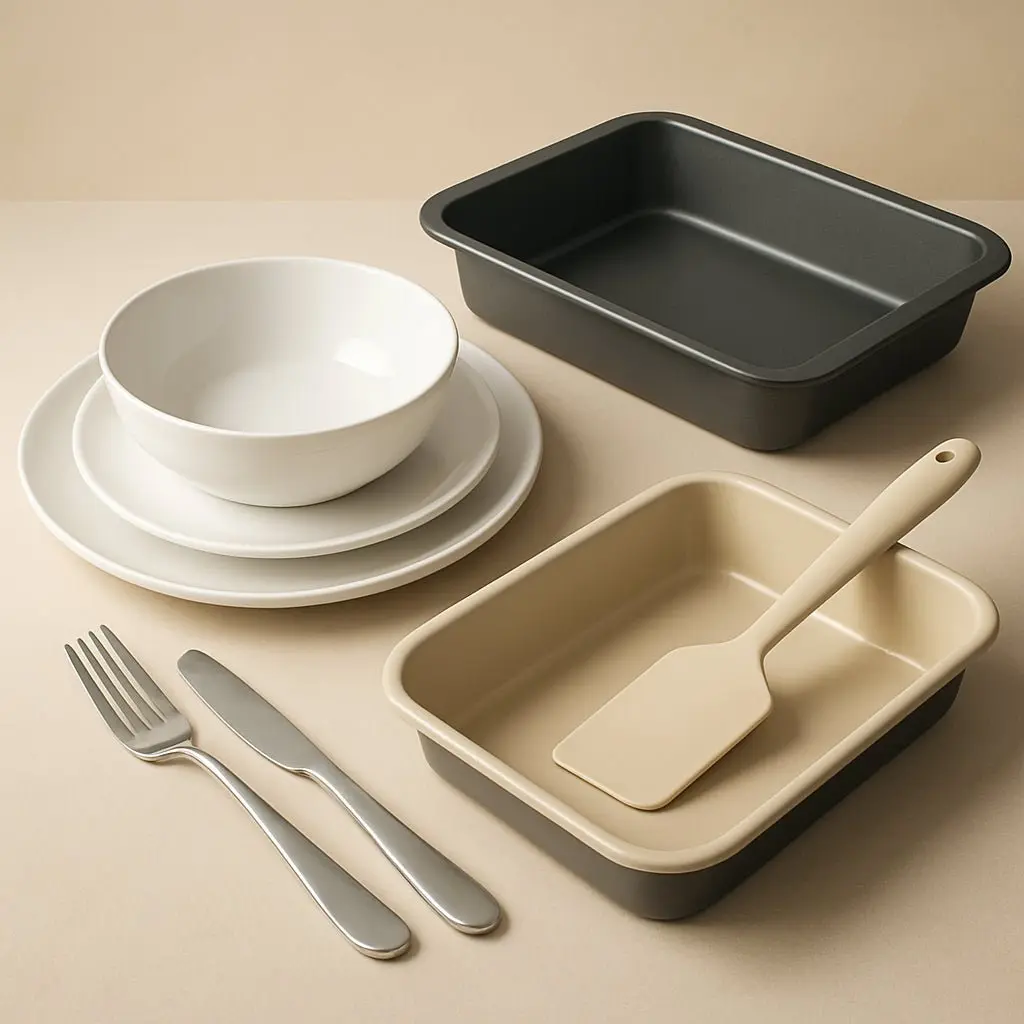
Dinnerware encompasses the items you use to serve and consume meals, including plates, bowls, cups, saucers, and sometimes serving platters. Often referred to as formal or informal tableware, these pieces are designed to present and enjoy food, contributing both practicality and aesthetics to your tabletop. Dinnerware is crucial to the art of entertaining and everyday meals alike, offering a platform not just for eating, but for expressing style and hospitality.
Bakeware: The Backbone of Baking
Bakeware refers to the specific vessels you use to cook food in the oven. This includes cake pans, loaf pans, muffin tins, baking sheets, casserole dishes, and more. Bakeware must be constructed to withstand high oven temperatures and may also feature non-stick coatings or silicone components to improve performance and cleanability.
While the two share common roots in the culinary world, their functions diverge. Dinnerware is for serving and presentation, whereas Bakeware is for preparation and cooking.
Material Comparison: What Are Dinnerware and Bakeware Made Of?
Common Materials for Dinnerware
- Porcelain: Durable, chip-resistant, and often used for fine dining. Porcelain offers a pristine white finish and is often used in elegant sets.
- Stoneware: Heavier than porcelain, stoneware is prized for its earthy texture and casual styling. It’s microwave and dishwasher safe, making it a practical everyday choice.
- Glass: Clear or colored glass dinnerware has a modern appeal. It’s often affordable and easy to clean, but may be more prone to breaking if mishandled.
- Melamine: Lightweight and shatterproof, melamine is a favorite for outdoor dining and families. However, it is not microwave safe.
- Bone China: The most refined dinnerware material. Bone china is exceptionally thin, light, and translucent, yet astonishingly strong, and is usually reserved for special occasions.
- Earthenware: Made from porous clay and usually finished with a glaze. Earthenware offers a rustic look but is less durable than stoneware or porcelain.
Common Materials for Bakeware
- Metal (Aluminum and Steel): Metal bakeware heats quickly and evenly, making it ideal for cakes, cookies, and breads. Non-stick coatings can enhance release but should be cared for to prevent peeling or scratching.
- Ceramic: Ceramic bakeware is popular for casseroles and lasagnas. These pieces can go from oven to table for convenient serving and often feature decorative glazes.
- Glass: Glass bakeware is favored for its transparency (monitor doneness easily) and ability to retain heat. Ideal for casseroles and baked desserts, glass is also dishwasher safe but can break with sudden temperature changes.
- Silicone: Silicone bakeware is flexible, naturally non-stick, and perfect for intricate shapes (think muffin pans or novelty cake molds). It’s heat-resistant and easy to store, though it doesn’t brown baked goods as well as metal.
- Stoneware: Heats well and distributes heat evenly, but may be heavier and require seasoning. Excellent for baking bread and roasting vegetables.
Material Comparison Table
| Product | Common Materials | Key Properties | Common Uses |
|---|---|---|---|
| Dinnerware | Porcelain, Stoneware, Glass, Melamine, Bone China, Earthenware | Durability, Aesthetics, Lightweight, Dishwasher Safe (varies) | Serving food, Eating, Entertaining |
| Bakeware | Metal, Ceramic, Glass, Silicone, Stoneware | Oven-Safe, Heat Retentive, Non-Stick (optional), Various Shapes | Baking, Roasting, Oven Cooking |
Designs and Styles: Making a Statement in the Kitchen and Dining Room
Dinnerware Designs
Your choice of Dinnerware speaks volumes about your personal style and the ambiance you wish to create. Designs range from minimalist white sets for a classic, modern look to vibrant patterns and hand-painted pieces that add personality and flair. Some collections are mix-and-match for a trendier feel, while coordinated sets exude timeless elegance. Textures, shapes, and rim treatments can dramatically alter the feel, from rustic farmhouse to formal dining.
- Classic: White porcelain or bone china, understated lines, and subtle accents.
- Contemporary: Square or asymmetrical shapes, matte finishes, and bold hues.
- Rustic: Stoneware, earthy glazes, and hand-thrown or organic finishes.
- Festive: Seasonal designs that reflect holidays, co-ordinated accent pieces, and special motifs.
Bakeware Designs
The design focus for Bakeware tends to be more functional than decorative, but aesthetics still play a role, especially for pieces designed to double as serving dishes. For example, a beautifully glazed ceramic baker can move straight from oven to table, while sleek, shiny metal can evoke a professional kitchen vibe.
- Traditional: Classic round or rectangular cake and loaf pans, shiny aluminum or non-stick steel.
- Modern: Silicone for novelty shapes, colored glass, and designer lines with ergonomic handles.
- Decorative: Hand-painted or embossed ceramic bakeware, perfect for serving at the table.
Well-designed bakeware should also feature easy-grip handles, stackable storage, and, where possible, a pleasing visual presentation that makes the transition from oven to table seamless.
Functionality and Usage: When to Use Dinnerware vs. Bakeware
Functionality of Dinnerware
The role of Dinnerware is ultimately to provide a safe, attractive, and practical medium for enjoying food. The shape, depth, and size influence everything from portion control to how a meal is experienced. For instance, wide bowls are best for pasta, shallow plates highlight intricate desserts, and high-sided soup bowls keep liquids contained. Matching cup and saucer sets are essential for formal dining, while versatile all-purpose bowls work great for minimalist, everyday settings.
Key functional criteria include:
- Microwave and dishwasher compatibility
- Scratch and chip resistance for active households
- Weight for ease of use and serving
- Stackability for efficient storage
Functionality of Bakeware
Bakeware must endure high oven temperatures, occasional broiler use, and rapid temperature shifts. It’s integral to creating a range of foods—from complex soufflés to simple cookies. Well-designed bakeware should distribute heat uniformly, prevent sticking, and support easy release of baked goods. Multi-purpose pieces, such as ceramic baking dishes, can also serve as attractive serving vessels at the table.
Critical functionality checkpoints:
- Oven and broiler safety (verify temperature limits)
- Non-stick surfaces for easy release and cleaning
- Uniform heating for even cooking results
- Shape and depth suitable to the intended recipe
Care and Maintenance
Cleaning and Preserving Dinnerware
To keep your Dinnerware looking its best and performing reliably, follow these essential care tips:
- Porcelain and Bone China: Hand wash fine pieces to avoid chipping. Everyday collections are typically dishwasher safe, but check manufacturer guidelines.
- Stoneware and Earthenware: Use non-abrasive cleaners to avoid damaging glazes. Avoid extreme thermal shock (moving from hot oven to cold sink, etc.).
- Melamine: Do not use in microwaves or conventional ovens; clean with mild detergents.
- Glass: Handle with care to avoid chips and cracks, especially thin-walled pieces.
Cleaning and Caring for Bakeware
Best practices for Bakeware care depend on material:
- Metal: Avoid abrasive scouring pads to preserve non-stick coatings. Hand wash if recommended by the manufacturer.
- Glass and Ceramic: Allow to cool before washing to prevent thermal shock. Check for cracks or chips to avoid breakage in future use.
- Silicone: Wash thoroughly to remove all oil residues; avoid sharp utensils to prevent cuts or tears.
- Stoneware: Season as recommended, avoid soaking, and use wood or silicone utensils to protect the surface.
Proper maintenance will prolong the life of your kitchen investments, save you money, and ensure safety during use.
Which to Choose for Your Needs?
When to Invest in Quality Dinnerware
Quality Dinnerware is a must for those who value hospitality, entertaining, and memorable family meals. If you host regular gatherings, appreciate the finer details of table presentation, or want to mirror your personal aesthetics at the table, investing in a versatile and attractive set is worth it. Consider purchasing two sets if your lifestyle includes both casual family meals and more formal occasions, such as holidays or business dinners.
When to Prioritize Bakeware
If your passion lies in cooking, experimenting with new recipes, or perfecting the art of baking, high-quality Bakeware will make a noticeable difference. For frequent bakers, investing in professional-grade metal pans, stoneware, or a range of specialty items (muffin tins, tart pans, etc.) delivers better results and enhances the joy of creation. Home cooks who enjoy roasting, oven-baked casseroles, or prepping multiple dishes at once will also benefit from an assortment of bakeware options.
For the Well-Rounded Kitchen
A truly versatile, well-appointed kitchen often features a blend of both Dinnerware and Bakeware collections. This allows you to shift effortlessly from cooking to service, host a variety of gatherings, and try new culinary projects without feeling limited by your tools.
Buying Tips: What to Look for When Shopping
Shopping for Dinnerware
- Assessing Needs: Determine if you need a full place setting (dinner plate, salad plate, bowl, cup) or open stock (individual pieces to create customized sets).
- Everyday vs. Occasional Use: Choose durable, dishwasher-safe dinnerware for daily meals. Select elegant materials like bone china or porcelain for special occasions.
- Size and Storage: Consider compact, stackable sets if storage space is limited. Check the diameter of plates or bowls to ensure they fit your dishwasher or cabinets.
- Finish and Look: Matte finishes hide scratches better, while glossy options provide a clean, shiny appearance. Match the color scheme to your kitchen decor or opt for timeless neutrals.
- Budget: There are options across all budget ranges. Prioritize essentials first, then build your set gradually.
Shopping for Bakeware
- Recipe Versatility: Invest in foundational pieces (baking sheet, cake pan, loaf pan) before adding specialty items.
- Heat Tolerance: Double-check maximum oven-safe temperatures, especially for ceramic and glass pieces.
- Non-Stick vs. Traditional: Non-stick is easier to clean but may scratch or wear over time; traditional metal or stoneware tends to be more durable but requires greasing or parchment.
- Easy Handling: Look for large handles, textured grips, and sturdy construction for ease of handling, especially when hot.
- Space Efficiency: Stackable or nesting designs save valuable kitchen space.
Conclusion: Elevate Your Culinary Experience by Choosing the Right Essentials
Your journey toward a balanced, joyful kitchen experience begins with understanding the fundamental differences between Dinnerware and Bakeware. While both are essential, they serve diverse roles—Dinnerware is the canvas for every meal you share, while Bakeware is the foundation for creativity in the oven.
By investing in quality materials and thoughtfully designed pieces, you can encourage healthy habits, support wellness through mindful food preparation and presentation, and transform every gathering into a memorable occasion. Take the time to assess your unique needs, consider your aesthetic preferences, and select pieces that reflect your style and passion for cooking or entertaining.
Ready to take your kitchen to the next level? Explore our curated collections of Dinnerware and Bakeware in our online store—where quality meets inspiration—and find the essentials that will serve you for years to come.
Start your journey to a more beautiful, functional kitchen today!