Buying Guides
Blenders vs. Stand Mixers: Which Is Best?
Published 2026-07-10
Blenders vs. Stand Mixers: Which Kitchen Powerhouse Deserves a Place on Your Counter?
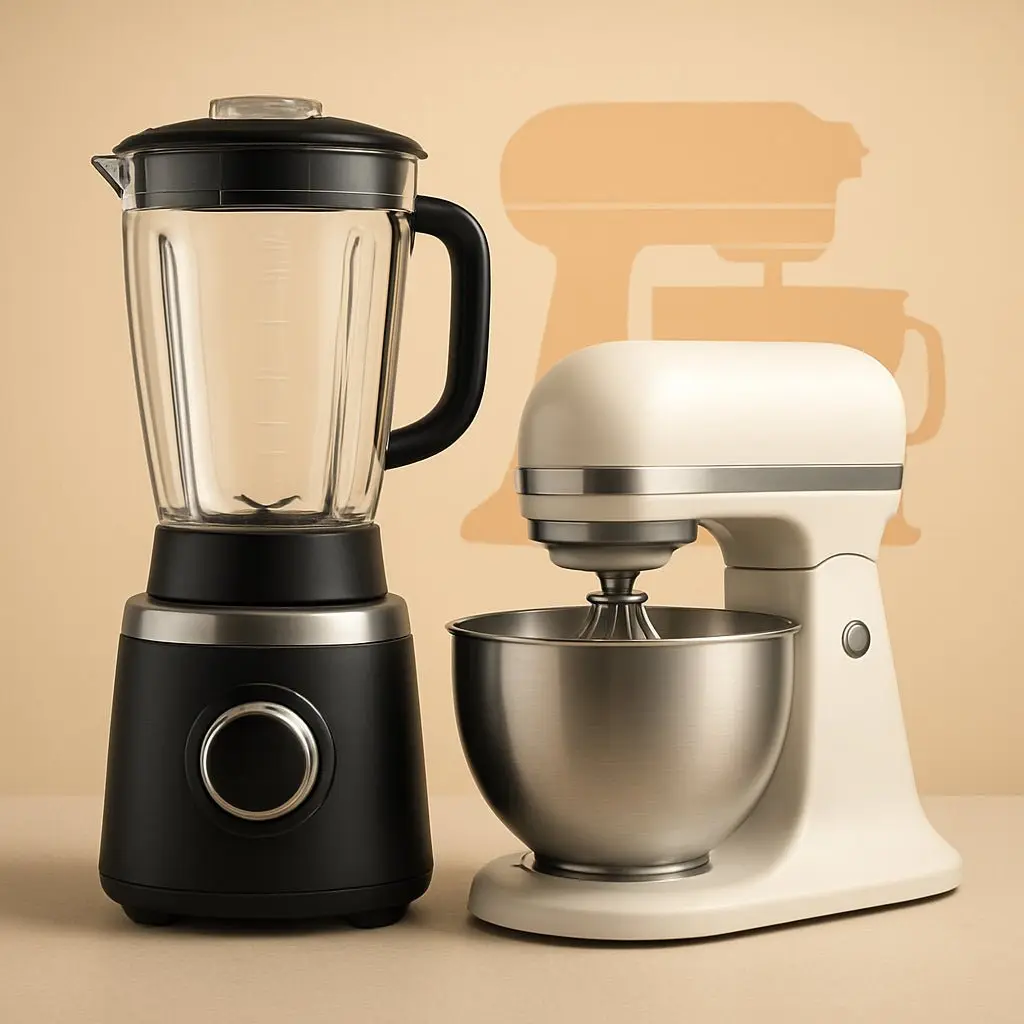
Choosing the right countertop appliance can transform the way you cook, bake, and prep meals at home. For many shoppers, the biggest question is not whether to upgrade the kitchen, but which tool will deliver the most value first. Two of the most popular options are Blenders and Stand Mixers. Both are iconic, versatile, and capable of saving time, yet they serve very different purposes. If you are comparing these appliances for your home, this guide will help you understand the strengths, limitations, and best use cases of each.
In this professional comparison, we will break down performance, design, versatility, ease of use, maintenance, price, and long-term value. Whether you are building your first kitchen, upgrading outdated tools, or shopping for a thoughtful gift, understanding the distinction between these two appliances can help you buy with confidence. By the end, you should have a clearer sense of which machine fits your cooking habits, your storage space, and your everyday routine.
Understanding the Core Difference
At a glance, these appliances may both look like premium countertop investments, but they are engineered for completely different tasks. Blenders use fast-spinning blades to liquefy, puree, emulsify, and combine ingredients. They excel at turning solids into smooth textures and are especially useful for drinks, soups, sauces, and purees.
Stand Mixers, by contrast, rely on a motorized mixing action and interchangeable attachments to knead, whip, beat, and fold ingredients. Their strength lies in handling doughs, batters, frostings, and other mixtures that require controlled incorporation rather than high-speed cutting.
If a blender is a specialist in texture transformation, a stand mixer is a specialist in structure building. That distinction is the foundation of every buying decision that follows.
Best Uses: What Each Appliance Does Best
Where Blenders Excel
A blender is ideal for recipes that depend on smooth consistency or rapid blending power. It is a go-to appliance for households that prepare beverages and liquid-based foods regularly. Common uses include:
- Smoothies and protein shakes
- Pureed soups and sauces
- Frozen drinks and crushed ice
- Nut butters and dips
- Salad dressings and marinades
- Baby food and fruit purees
Because the blade rotates at high speed, a blender can break down fibrous produce, frozen fruit, and soft solids quickly. For busy households, that efficiency is a major selling point.
Where Stand Mixers Excel
A stand mixer shines when the recipe involves repeated mixing, aeration, or kneading. It brings consistency and power to labor-intensive preparation, especially for bakers and serious home cooks. Common uses include:
- Bread dough and pizza dough
- Cake batters and cookie dough
- Whipped cream and meringue
- Mashed potatoes
- Frostings and fillings
- Pasta dough with the right attachment
Unlike handheld alternatives, a stand mixer frees your hands during the process. This makes it particularly appealing for multitasking cooks who value convenience and precision.
Performance Comparison
Speed and Power
When comparing pure speed, blenders often appear more powerful because they rely on very high rotational blade speeds. That intensity is necessary to create smooth textures and crush hard ingredients. A high-performance blender can process ingredients in seconds, making it excellent for fast-paced meal prep.
Stand mixers use power differently. Their motors are designed for torque rather than blade speed. This allows them to work through thick doughs and dense batters without straining as easily. In practical terms, a stand mixer may seem slower, but its controlled movement is exactly what many recipes require.
Consistency of Results
For liquids and purees, a blender typically delivers more uniform texture. For doughs and batters, a stand mixer offers more predictable structure. If you use the wrong appliance for the wrong job, the results may fall short. A blender cannot properly knead bread dough in most cases, and a stand mixer cannot create a silky soup puree with the same efficiency as a blender.
This is why your cooking style matters more than raw wattage. The best-performing appliance is the one aligned with the food you make most often.
Versatility: Which One Offers More?
Versatility is one of the biggest decision points for shoppers. Both appliances can handle a range of tasks, but they expand in different directions.
Blender Versatility
Many modern blenders include preset programs, variable speed control, pulse functions, and travel cups. Depending on the model, they may support everything from morning smoothies to hot soup blending. Some premium models also make nut milk, sorbet, salsa, and even pancake batter.
Still, a blender’s versatility remains centered on blending. It can stretch across drink prep, sauce making, and soft food processing, but it will not replace every kitchen tool.
Stand Mixer Versatility
Stand mixers often become more versatile over time because many brands offer compatible attachments. These may include pasta rollers, meat grinders, spiralizers, slicers, shredders, and food grinder accessories. This can turn one countertop appliance into a broader prep station.
For shoppers who like the idea of modular functionality, that ecosystem can be a major advantage. A stand mixer may start as a baking tool and gradually become one of the most multifunctional appliances in the kitchen.
Which Wins on Versatility?
If your routine focuses on beverages, soups, and sauces, the blender is more practical. If you want an appliance platform that can expand with attachments and support baking projects, the stand mixer usually wins. The better choice depends on whether you value immediate blending utility or long-term multifunctional potential.
Ease of Use and Everyday Convenience
Setup and Operation
Blenders are generally simple to operate. Add ingredients, secure the lid, choose a speed, and blend. That straightforward workflow makes them appealing for quick daily use. For people who prepare breakfast smoothies or simple sauces, the convenience is hard to beat.
Stand mixers require slightly more setup. You may need to select the right bowl, choose the proper attachment, lock the head in place, and monitor texture as ingredients combine. The process is still user-friendly, but it is less instant than pressing a blender button.
Hands-Free Advantage
One major advantage of stand mixers is hands-free operation over longer mixing periods. You can add ingredients gradually while the mixer works, or step away briefly to prepare the next stage of a recipe. This is especially useful in baking, where timing and ingredient order matter.
Blenders, while quick, usually demand more active supervision. Ingredients may need tamping, layering, or pausing to scrape the sides, especially for thick mixtures.
Cleaning and Maintenance
Cleaning is often overlooked during the buying process, yet it can determine how often an appliance gets used.
Cleaning a Blender
Most blenders are relatively easy to rinse immediately after use. Many jars can also be cleaned by blending warm water with a drop of dish soap. However, sticky ingredients, nut butters, and thick smoothies can require extra attention around the blades and gasket areas.
Cleaning a Stand Mixer
Stand mixers involve more parts, including the bowl, attachments, and splash guard if included. The mixer body itself needs wiping rather than immersion. While many accessories are dishwasher-safe, cleanup is usually more involved than a quick blender rinse.
If minimal cleanup is your top priority, a blender may fit your lifestyle better. If you are comfortable with a few extra pieces in exchange for baking performance, a stand mixer remains a worthwhile investment.
Kitchen Space and Design Considerations
Countertop Footprint
Space matters, especially in apartments, condos, and compact kitchens. A blender usually has a smaller footprint and is easier to move in and out of storage. Many users keep it tucked away until needed, particularly if they do not blend every day.
Stand mixers are heavier and more substantial. They often become permanent countertop fixtures because moving them frequently is inconvenient. If your kitchen has limited prep space, this is an important factor.
Style and Aesthetic Impact
From a design perspective, both appliances can add visual appeal. Blenders tend to look modern and functional, while stand mixers often make more of a statement. With a wide range of finishes and colors available, a stand mixer can double as a design piece as well as a practical tool.
If you care about appliance styling as much as performance, both categories offer attractive options, but stand mixers often carry more decorative personality.
Cost Comparison and Long-Term Value
Upfront Price
Blenders are available across a broad price range, from budget personal models to premium high-performance machines. This makes entry easier for many shoppers. You can often find a reliable model without making a major initial investment.
Stand mixers usually begin at a higher price point, especially full-size models designed for regular baking. The added cost reflects larger construction, specialized mechanics, and broader attachment compatibility.
Value Over Time
A blender offers strong value if you use it frequently for drinks, meal prep, and quick sauces. The return on investment is especially clear when it becomes part of your daily routine.
A stand mixer may deliver better long-term value for avid bakers or anyone who wants to replace repetitive manual mixing. If you also plan to use attachments, the appliance can become even more cost-effective over time.
Before purchasing, ask yourself a simple question: will this appliance solve a recurring kitchen need, or will it sit unused? The answer often reveals which option is actually the better value.
Who Should Buy a Blender?
A blender is usually the better choice if you:
- Make smoothies, shakes, or frozen drinks often
- Prepare soups, sauces, or purees regularly
- Want quick operation and relatively easy cleanup
- Have limited kitchen space
- Prefer a lower entry price in many cases
- Need a practical everyday appliance for fast meal prep
If your household values speed, convenience, and smooth textures, a blender is a logical first investment. It is particularly useful for busy professionals, students, and families looking for efficient food preparation.
Who Should Buy a Stand Mixer?
A stand mixer is usually the better choice if you:
- Bake bread, cakes, cookies, or pastries frequently
- Need to knead dough without manual effort
- Want hands-free mixing for longer recipes
- Like the option of accessory-based expansion
- Have adequate countertop or storage space
- View baking as a hobby or regular household activity
For serious bakers and ambitious home cooks, a stand mixer can quickly become indispensable. It offers consistency, control, and labor-saving performance that is difficult to replicate with smaller tools.
Can One Replace the Other?
This is a common shopping question, and the honest answer is usually no. While there is some overlap at the edges, these appliances are not true substitutes. A blender can combine pancake batter, but it is not ideal for creaming butter and sugar or kneading dough. A stand mixer can whip ingredients beautifully, but it cannot pulverize frozen fruit into a smooth drink with the same speed and texture.
If your budget allows only one purchase today, choose based on your most frequent recipes. If your kitchen habits are evenly split between blending and baking, you may eventually benefit from owning both.
Smart Buying Tips Before You Decide
- List your top five recipes. The appliance that supports most of them should move to the top of your list.
- Think about frequency. Daily smoothie making and monthly baking suggest a blender first. Weekly bread baking may point toward a stand mixer.
- Measure your space. Counter height, cabinet clearance, and storage weight all matter.
- Check capacity. Larger households may need a bigger blender jar or a larger mixer bowl.
- Review accessories. Additional cups, blades, hooks, and specialty attachments can increase value.
- Read warranty details. A strong warranty often signals better long-term confidence from the brand.
If you are shopping our ecommerce collection, compare specifications carefully and look beyond marketing claims. Capacity, motor design, material quality, and included accessories often make a bigger difference than trend-driven features.
Final Verdict: Which Appliance Is Right for You?
When comparing blenders and stand mixers, there is no universal winner, only the right match for your kitchen goals. If you prioritize smoothies, soups, sauces, and quick blending tasks, a blender is the more efficient and practical choice. If your focus is baking, dough preparation, whipping, and expandable functionality, a stand mixer is likely the better investment.
The most successful appliance purchases are not based on what looks impressive on the counter, but on what genuinely supports the way you cook. Think about your routine, your favorite recipes, and the kind of kitchen experience you want to create. The right appliance should make meal prep easier, more enjoyable, and more consistent.
Ready to upgrade your kitchen? Explore our curated selection of premium countertop appliances and compare features side by side. Whether you are shopping for performance, style, or everyday convenience, the right choice is waiting. Invest in the tool that fits your lifestyle, and let your kitchen work smarter for you.